





Where to Install Lightweight Access Panels for Maximum Efficiency Posted by Best Access Doors Canada on 14th Jan 2026
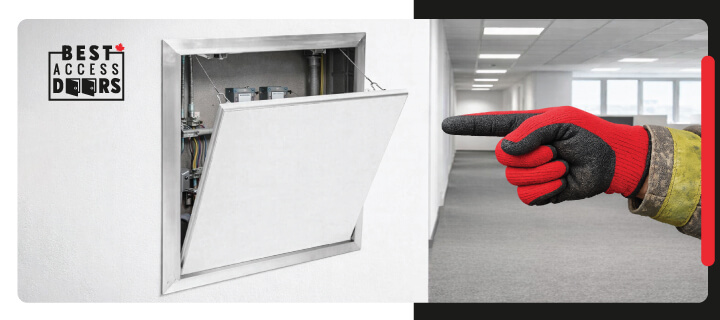
Lightweight access panels are best installed in non-rated interior walls and ceilings where frequent mechanical or electrical access is required without compromising aesthetics or installation efficiency. When specified and placed correctly, they help streamline labour, reduce wall and ceiling disruption during maintenance, and support long-term building performance.
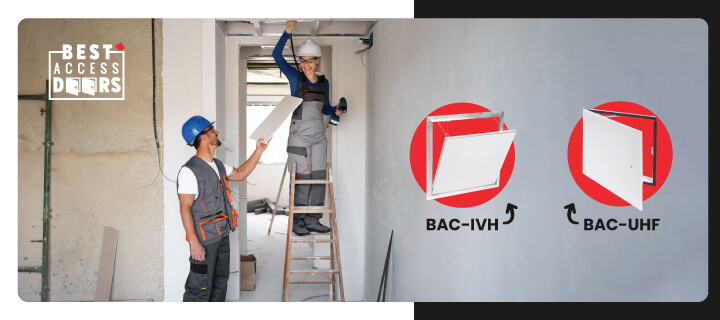
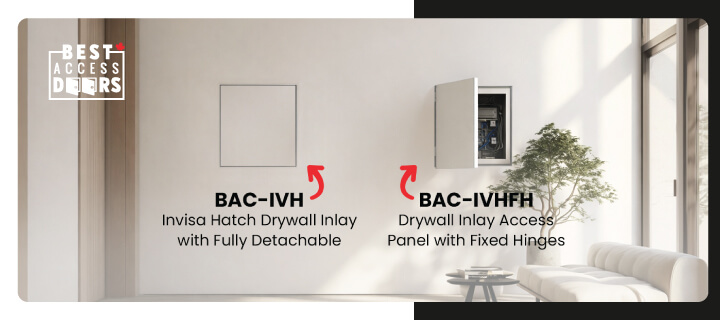
For these applications, the BAC-IVH Invisa Hatch Drywall Inlay with Fully Detachable Panel offers a practical solution by integrating directly into drywall surfaces and providing flush, unobtrusive access to building systems.
In this article, we’ll discuss where lightweight access panels perform best, how access frequency influences placement decisions, and when alternative access solutions should be considered.
What Defines a Lightweight Access Panel in Commercial Construction?
In commercial construction, a lightweight access panel is defined by its non-rated design, reduced material mass, and compatibility with standard wall and ceiling assemblies.
Typically constructed from aluminum or light-gauge steel, this access solution is intended for non-fire-rated wall and ceiling applications where reliable service access is required. Its construction keeps installation straightforward while maintaining a clean, finished appearance.
Within commercial environments, this panel is commonly used to reach plumbing shutoff valves, electrical junction boxes, dampers, and other low-risk mechanical components. Its ability to integrate seamlessly into a drywall system supports both functional access and interior aesthetics.
From a contractor’s perspective, this type of access panel improves installation efficiency by simplifying handling, reducing installation time, and minimizing coordination challenges with framing and finished surfaces.
When your project requires reliable access without compromise, contact us today. We offer lightweight access panels for non-rated applications and custom access solutions to address unique design or installation challenges.
Where Are Lightweight Access Panels Most Effective in Walls and Ceilings?
Lightweight access panels are most effective in non-rated interior wall and ceiling assemblies where regular mechanical or electrical service access is required.
They are commonly specified in areas that support ongoing maintenance while preserving finished interior surfaces, including:
- Corridors, utility rooms, tenant spaces, and washrooms, where plumbing shutoff valves, cleanouts, and electrical components are typically concealed behind walls
- Above drop ceilings, allowing access to valves, Variable Air Volume (VAV) boxes, sensors, and wiring without overloading ceiling grid systems.
- Large commercial floor plates, such as offices, healthcare facilities, and retail environments, where coordinated access locations improve consistency across spaces.
In ceiling applications, lightweight panels are especially effective because their reduced mass minimizes stress on suspension systems and supports faster installation during interior fit-outs. In wall assemblies, they allow service access without compromising finishes or requiring future repairs.
When access panel placement is coordinated early with mechanical layouts and reflected ceiling plans, contractors can standardize locations across floors. This approach simplifies installation, improves service efficiency, and reduces long-term maintenance disruptions.
For these non-rated wall and ceiling applications, the BAC-IVH Invisa Hatch Drywall Inlay with Fully Detachable Panel provides a discreet and efficient access solution. Designed to integrate directly into drywall surfaces, it delivers nearly invisible access while supporting fast installation and reliable operation.
Key features include:
- Lightweight, high-grade aluminum construction for easy handling
- Compatibility with 1/2-inch and 5/8-inch drywall inlay panels
- Fully detachable panel door for wider access in tight service areas
- Flush, architecturally integrated finish with concealed hardware.
Considering this access panel for an upcoming commercial installation? Request a quote and receive support with specifications, sizing, and product selection.
How Does Access Frequency Influence Access Panel Placement Decisions?
Access frequency influences access panel placement by determining how accessible, visible, and conveniently located the panel needs to be.
Components that require regular servicing, such as control valves, cleanouts, or electrical junctions, should be accessed through ceiling access panels in commercial spaces that are placed in highly accessible locations.
These panels should allow for quick, unobstructed entry and be positioned so maintenance personnel can reach them without moving equipment or disrupting occupied spaces. Consistent placement across floors or building zones also helps reduce service time.
Components that require infrequent access can be located behind less prominent panels or positioned in secondary areas such as storage rooms or back-of-house spaces. Even in these cases, placement should still account for who will need access, the tools required, and the urgency of potential maintenance.
Related: Which Access Panels Save the Most on Maintenance Over Time?
How Can Proper Access Panel Placement Improve Maintenance Efficiency?
Proper access panel placement improves maintenance efficiency by reducing downtime, preventing surface damage, and simplifying service workflows.
When access panels are placed logically and consistently, maintenance teams can locate and service building systems without unnecessary delays. This is especially important in commercial buildings where access interruptions can affect tenants, customers, or operations.
Strategic access panel placement also supports installation efficiency and labour savings during construction. By coordinating panel locations with framing and finishes, contractors avoid rework and ensure clean, professional installations. Lightweight access panels integrate easily into drywall systems, making them ideal for repeatable layouts across multiple floors.
Over the building’s lifecycle, thoughtful access panel placement contributes to better asset management. Reduced repair costs, faster service times, and minimal disruption all support long-term operational efficiency. For commercial access panels in Canada projects, this approach aligns with growing expectations for sustainability, cost control, and maintainability.
When Should Contractors Avoid Using Lightweight Access Panels?
Contractors should avoid using lightweight access panels when fire-rating, security, or structural requirements exceed non-rated capabilities.
Lightweight access panels are not designed for fire-rated wall and ceiling assemblies. In shafts, fire separations, or smoke barriers, code compliance requires rated access solutions. Installing a non-rated panel in these locations can compromise safety and lead to costly remediation.
Additionally, areas subject to abuse, tampering, or heavy traffic, such as detention facilities or industrial zones, may require more robust access panel solutions. Lightweight panels prioritize ease of installation and accessibility, not impact resistance or security.
Clear submittals and specification clarity are essential to avoid misapplication. Contractors should review drawings and specifications carefully to confirm where ceiling or wall access panel installation is permitted. Proper coordination early in the project ensures that efficient access panel solutions are used only where appropriate.
Frequently Asked Questions on Lightweight Access Panels
1. What is the purpose of a lightweight access panel?
The purpose of a lightweight access panel is to provide convenient access to mechanical, electrical, or plumbing components concealed within non-rated wall and ceiling assemblies. It allows for routine inspection, adjustment, and maintenance without damaging finished surfaces, thereby helping to reduce repair time and long-term maintenance costs.
2. How much do lightweight access panels cost?
The cost of a lightweight access panel varies depending on size, material, design, and features such as concealed hardware or detachable panels. In general, lightweight access panels are more cost-effective than rated access doors due to their simpler construction and faster installation, making them a practical option for many commercial interior applications.
3. How do I choose the right lightweight access panel?
Choosing the right lightweight access panel depends on the wall or ceiling assembly, access frequency, opening size, and aesthetic requirements. Consider whether the panel needs to blend into finished surfaces, support tool-free access, or allow full panel removal. Verifying that the panel is suitable for non-rated applications and compatible with the surrounding materials will help ensure proper performance and installation.
To Sum It Up
Knowing when and where to install lightweight access panels is essential for maintaining access to building systems while preserving finished wall and ceiling surfaces. Proper placement and installation help reduce service time, minimize unnecessary repairs, and ensure consistent, reliable maintenance access throughout a commercial space.
At Best Access Doors Canada, we support contractors and building professionals by offering lightweight access panel solutions designed for non-rated wall and ceiling applications. Our focus is on practical design, reliable performance, and ease of installation, supporting both immediate project needs and long-term building use.
For expert guidance or assistance in selecting the right access panel for your application, contact our team today. Call +1-888-327-5471 to discuss your project requirements.